When Vision Changes Need Medical Attention
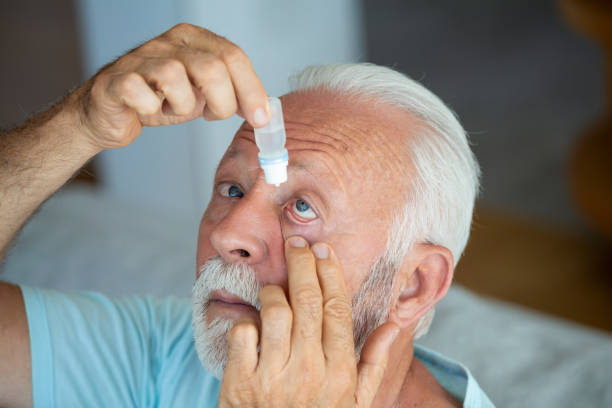
A sensible approach to when vision changes need medical attention combines realistic habits with attention to how your body responds. The aim is to make the topic understandable and useful without promising a cure or guaranteed result.
Start with the basics
Focus first on screen breaks, UV protection, hydration, sleep, and routine eye care. Consistency, comfort, and safety should guide the pace of any change.
- Build routines around your normal day.
- Choose realistic steps instead of all-or-nothing plans.
- Track useful patterns when it helps.
- Ask a professional when symptoms are severe, sudden, persistent, or confusing.
What to pay attention to
Over time, watch dryness, strain, blurred vision, pain, flashes, and sudden vision changes. This can help separate a one-off issue from a pattern worth discussing with a health professional.
Common mistakes to avoid
Be cautious with dramatic before-and-after promises. Sustainable habits and appropriate medical care are a safer foundation than quick-fix claims.
A simple routine to try
A simple seven-day experiment works well: keep the routine stable, note comfort and symptoms, and make only one adjustment at a time.