Hearing Aids For Older Adults
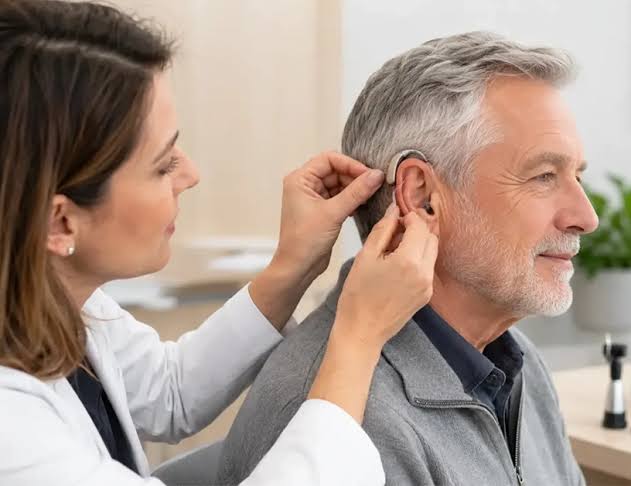
A sensible approach to hearing aids for older adults combines realistic habits with attention to how your body responds. The aim is to make the topic understandable and useful without promising a cure or guaranteed result.
Start with the basics
Build around safe listening, noise protection, hearing-device care, and regular checks. Keeping the routine uncomplicated makes it easier to notice what is actually helping.
- Build routines around your normal day.
- Choose realistic steps instead of all-or-nothing plans.
- Track useful patterns when it helps.
- Ask a professional when symptoms are severe, sudden, persistent, or confusing.
What to pay attention to
Useful things to monitor include ringing, conversation difficulty, device comfort, and sudden hearing changes. Changes that are sudden, severe, or persistent deserve professional evaluation.
Common mistakes to avoid
Try not to judge progress from a single day. Also avoid harsh DIY methods or products that cause irritation, pain, dizziness, or other unwanted effects.
A simple routine to try
Link the habit to something you already do—breakfast, a lunch break, or getting ready for bed—so it is easier to remember.