How To Track Urinary Symptoms
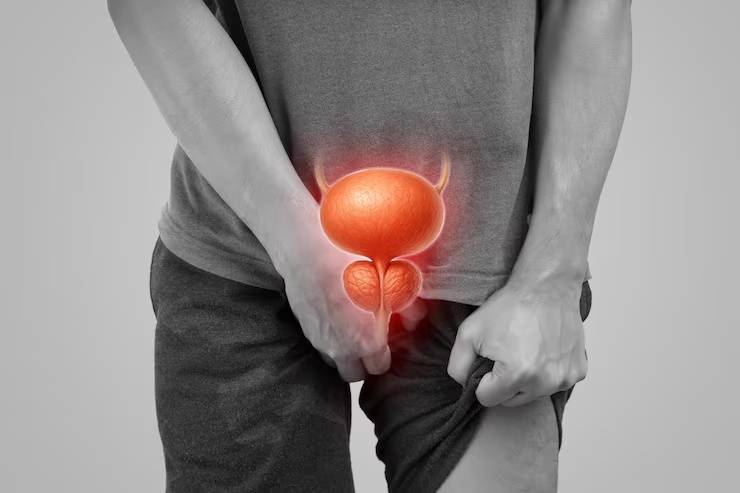
A sensible approach to how to track urinary symptoms combines realistic habits with attention to how your body responds. The aim is to make the topic understandable and useful without promising a cure or guaranteed result.
Start with the basics
Build around healthy aging, hydration timing, activity, diet, and symptom awareness. Keeping the routine uncomplicated makes it easier to notice what is actually helping.
- Build routines around your normal day.
- Choose realistic steps instead of all-or-nothing plans.
- Track useful patterns when it helps.
- Ask a professional when symptoms are severe, sudden, persistent, or confusing.
What to pay attention to
Notice patterns in urinary frequency, flow changes, nighttime trips, pain, and screening questions. Tracking only what is relevant keeps the process practical instead of overwhelming.
Common mistakes to avoid
Avoid extreme routines, guaranteed-result claims, and replacing needed medical care with online advice. Introduce changes gradually when possible.
A simple routine to try
Link the habit to something you already do—breakfast, a lunch break, or getting ready for bed—so it is easier to remember.